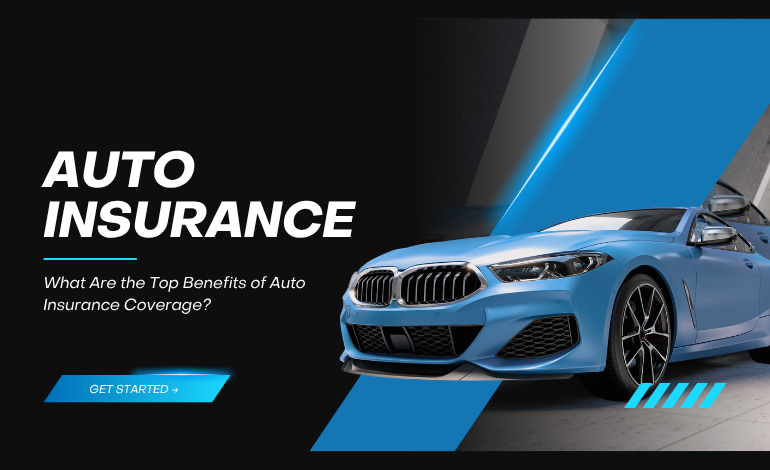
What Are the Top Benefits of Auto Insurance Coverage?
Owning a vehicle provides convenience, independence, and flexibility, but it also comes with financial responsibilities and potential risks. Accidents, theft, weather-related damage, and unexpected incidents can result in expensive repairs, medical bills, or liability claims. Auto insurance coverage is designed to help vehicle owners manage these risks and protect themselves from significant financial losses.
While insurance requirements vary by location, having appropriate auto insurance can provide valuable financial protection and peace of mind. Understanding the main benefits of auto insurance can help drivers choose coverage that fits their needs and circumstances.
1. Financial Protection After an Accident
One of the most important benefits of auto insurance is financial protection following a covered accident. Vehicle repairs can be expensive, particularly when an accident causes significant damage.
Depending on the policy, insurance may help pay for eligible repair costs after a covered incident. Without adequate coverage, a driver may have to pay the entire repair bill out of pocket.
For vehicle owners, this protection can make an unexpected accident more manageable financially.
2. Protection Against Liability
Accidents can involve more than damage to your own vehicle. If you are legally responsible for injuring another person or damaging their property, you could face substantial expenses.
Liability insurance can help cover eligible costs associated with covered third-party claims, subject to the policy’s limits and conditions.
Liability coverage may include:
- Bodily injury claims
- Property damage claims
- Certain legal expenses, depending on the policy and jurisdiction
This type of protection is particularly important because third-party claims can potentially be much more expensive than repairing your own vehicle.
3. Coverage for Vehicle Theft
Vehicle theft is another risk faced by vehicle owners. Replacing a stolen car can be financially difficult, especially when the vehicle represents a significant investment.
Comprehensive auto insurance may provide coverage for vehicle theft, subject to the policy terms, deductible, and applicable limits.
If a stolen vehicle is not recovered, the insurer may pay an eligible claim based on the policy’s valuation method.
4. Protection Against Weather and Natural Events
Vehicles can be damaged by events that have nothing to do with a collision. Severe weather and natural events can cause substantial damage to cars.
Depending on the policy, comprehensive coverage may help protect against certain risks such as:
The specific events covered vary by insurer and policy, so drivers should review their coverage carefully.
5. Coverage for Damage to Your Own Vehicle
Collision and comprehensive coverage can provide protection for a vehicle against different types of covered damage.
Collision coverage generally applies to damage resulting from covered collisions, while comprehensive coverage generally addresses certain non-collision risks.
Together, these coverages can provide broader protection for vehicle owners who want more than basic liability coverage.
6. Medical Expense Protection
Some auto insurance policies include coverage that may help with medical expenses resulting from a vehicle accident. Depending on the location and policy, this may be provided through medical payments coverage, personal injury protection, or another type of coverage.
Such protection can be particularly useful because accident-related medical expenses can become significant even when vehicle damage is relatively minor.
The availability and scope of medical-related auto insurance vary by jurisdiction.
7. Protection From Uninsured or Underinsured Drivers
Not every driver on the road has adequate insurance coverage. An accident involving an uninsured or underinsured driver can create additional financial challenges.
Where available, uninsured and underinsured motorist coverage may help protect you when another driver is responsible for an accident but does not have sufficient insurance to cover the resulting damages.
This coverage can provide an additional layer of financial protection against risks created by other motorists.
8. Legal and Financial Compliance
In many jurisdictions, drivers are required to maintain a minimum level of auto insurance before legally operating a vehicle on public roads.
Maintaining the required coverage can help drivers comply with applicable laws and avoid potential penalties associated with driving without legally required insurance.
However, minimum legal coverage may not provide comprehensive financial protection. Drivers should understand both their legal requirements and their personal insurance needs.
9. Peace of Mind While Driving
Driving always involves some degree of uncertainty. Even responsible drivers can be affected by another motorist’s actions, road conditions, weather, or unexpected events.
Knowing that you have appropriate insurance coverage can provide peace of mind. While insurance cannot prevent accidents, it can help reduce the financial uncertainty associated with covered losses.
This can allow drivers to focus on safe driving rather than worrying about how they would handle every possible unexpected expense.
10. Protection for Your Investment
For many people, a vehicle is one of their most significant personal purchases. Protecting that investment can be an important part of responsible vehicle ownership.
Comprehensive and collision coverage may help protect the vehicle against various covered risks. This can be especially relevant for newer, more expensive, or financed vehicles.
Drivers should consider the value of their vehicle and their ability to replace or repair it when evaluating coverage options.
11. Potential Assistance With Towing and Roadside Services
Some auto insurance policies or optional packages provide roadside assistance. Depending on the policy, services may include:
- Towing
- Battery assistance
- Flat-tire assistance
- Lockout services
- Emergency fuel delivery
The availability and limits of these services differ between insurance companies and plans. Drivers should review the specific terms before relying on roadside assistance coverage.
12. Flexible Coverage Options
Auto insurance is not necessarily a one-size-fits-all product. Insurance companies may offer different coverage options, limits, deductibles, and optional protections.
Drivers can often select coverage based on factors such as:
- Vehicle value
- Driving habits
- Financial circumstances
- Location
- Desired level of protection
- Applicable legal requirements
This flexibility allows vehicle owners to build coverage that better matches their individual circumstances.
How to Get the Most From Your Auto Insurance
Having insurance is important, but understanding your policy is equally valuable. Drivers should regularly review their coverage and make sure the information provided to the insurer remains accurate.
Consider the following steps:
Compare Different Policies
Obtain quotes from multiple insurers when possible and compare coverage rather than looking only at the premium.
Understand Your Deductible
Know how much you would be responsible for paying toward a covered claim before insurance pays the eligible remainder.
Review Coverage Limits
Make sure you understand the maximum amount the insurer may pay for different types of covered losses.
Check Exclusions
Read the policy carefully to understand situations that may not be covered.
Update Your Information
Notify your insurer when relevant circumstances change, such as moving, purchasing a different vehicle, or changing how the vehicle is used.
Ask About Discounts
Insurance companies may offer discounts for qualifying factors such as safe driving, multiple policies, vehicle safety features, or other circumstances.
Final Thoughts
Auto insurance provides more than protection for a damaged vehicle. Depending on the policy, it can help protect drivers from liability claims, theft, weather-related losses, medical expenses, uninsured motorists, and other unexpected financial risks.
The benefits of auto insurance depend on the coverage selected, policy limits, exclusions, deductibles, and local insurance requirements. For this reason, drivers should carefully compare their options and choose coverage based on their individual circumstances rather than price alone.
Ultimately, appropriate auto insurance can serve as an important financial safety net. By understanding available coverage and regularly reviewing their policy, vehicle owners can be better prepared for the unexpected while protecting both their transportation and financial interests.