Understanding the Solar Cancellation Process
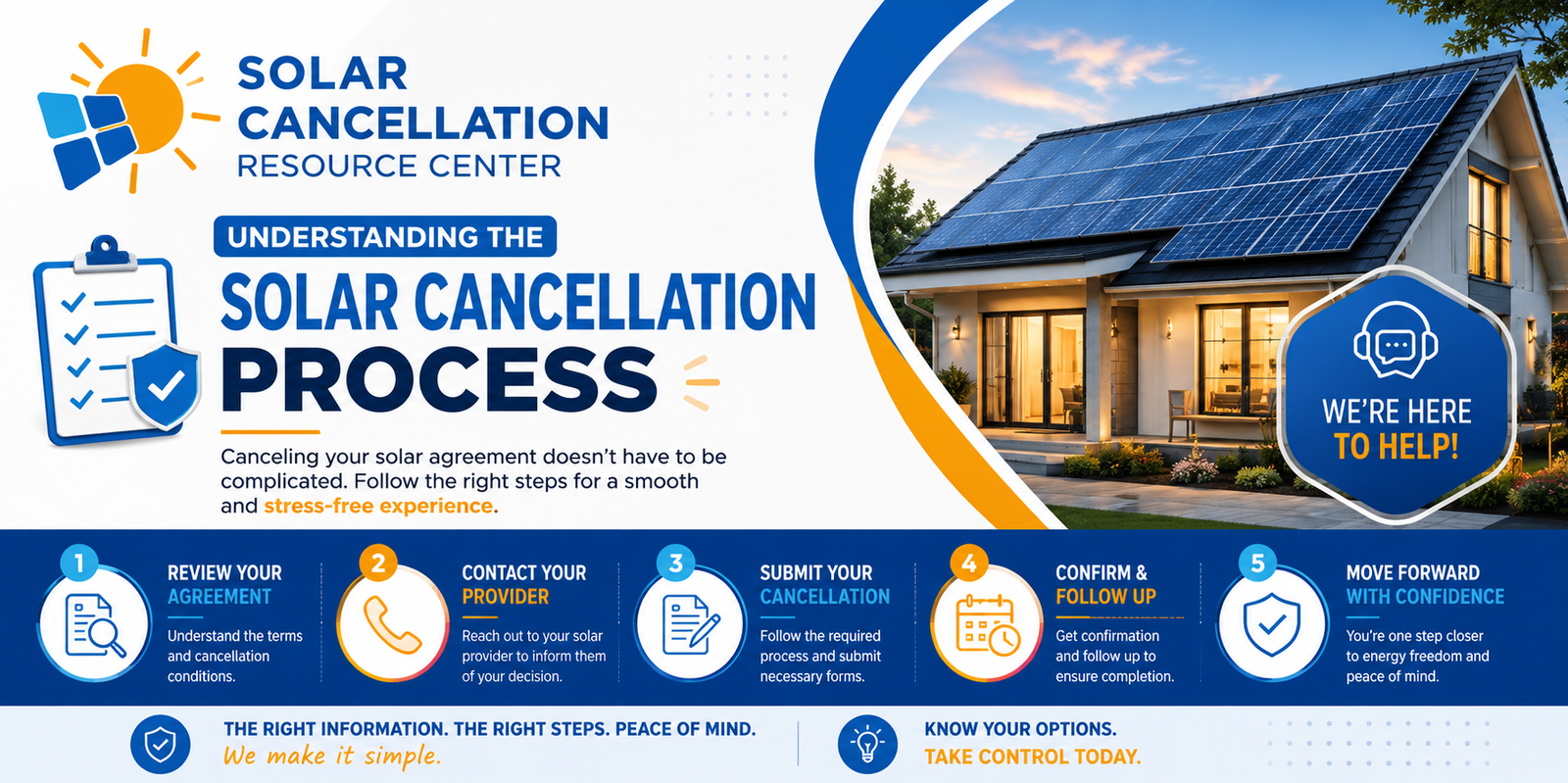
Switching to solar energy is a major investment for homeowners and businesses. While solar power offers long-term savings and environmental benefits, there are situations where customers may decide to cancel their solar agreement. Understanding the solar cancellation process is essential to avoid unnecessary penalties, delays, or legal complications.
This guide explains how solar cancellations work, what homeowners should expect, and the important steps involved in professionally terminating a solar contract.
What Is a Solar Cancellation?
A solar cancellation occurs when a customer decides to terminate a solar agreement before the project is completed or activated. This may happen during different stages of the solar journey, including:
- Before signing the agreement
- After signing but before installation
- During installation
- Before system activation
- After activation under specific conditions
The cancellation process depends heavily on the contract terms, local regulations, financing agreements, and the stage of project completion.
Common Reasons for Solar Cancellation
Homeowners cancel solar projects for many reasons. Some of the most common include:
Financial Concerns
Unexpected financial challenges, loan issues, or changes in income may lead customers to reconsider the investment.
Contract Misunderstandings
Some customers later realize they misunderstood pricing, financing terms, maintenance responsibilities, or projected savings.
Installation Delays
Long waiting periods for permits, inspections, or utility approvals can frustrate homeowners.
Change of Property Plans
Selling the property, relocating, or renovating the roof may impact the decision to proceed with solar installation.
Better Alternative Offers
Customers sometimes receive more competitive offers from other solar providers.
Trust or Communication Issues
Poor customer service or lack of transparency can reduce confidence in the installer.
Understanding Solar Contracts
Before initiating a cancellation, it is critical to review the solar agreement carefully. Solar contracts usually include:
- Cancellation window
- Refund policies
- Deposit conditions
- Equipment ownership details
- Loan or lease obligations
- Installation timelines
- Permit responsibilities
- Cancellation fees
Many contracts contain a “right-to-cancel” period, allowing customers to cancel within a limited timeframe without penalties.
Steps in the Solar Cancellation Process
1. Review the Contract
Start by carefully reading the agreement. Look specifically for:
- Cancellation clauses
- Refund eligibility
- Deadlines
- Fees or penalties
Understanding these terms helps avoid disputes later.
2. Contact the Solar Provider
Notify the company immediately once you decide to cancel. Most providers require written communication through:
- Signed cancellation form
- Certified mail
- Customer portal submission
Professional communication is important during this stage.
3. Submit Required Documentation
Some companies may request:
- Contract number
- Identification details
- Written cancellation reason
- Signed cancellation request
Providing accurate documentation speeds up the process.
4. Confirm Cancellation Status
Always request written confirmation that the agreement has been terminated successfully. This helps protect you from future billing or contractual disputes.
5. Monitor Refunds and Financial Accounts
If deposits or financing were involved, monitor:
- Refund processing
- Loan cancellation
- Credit account updates
- Automatic payment cancellations
Keep copies of all records for future reference.
Potential Costs and Penalties
Solar cancellation fees vary depending on the stage of the project.
Before Installation
Cancellation is usually simpler and may involve minimal or no fees.
After Permit Approval
Companies may charge administrative or permit-related expenses.
During Installation
Costs can increase significantly because labor and materials may already be allocated.
After System Activation
Cancellation becomes more complex, especially for financed systems, leases, or power purchase agreements (PPAs).
How Long Does the Solar Cancellation Process Take?
The timeline varies depending on the provider and project stage.
Typical estimates include:
| Stage | Estimated Time |
|---|---|
| Initial cancellation request | 1–3 days |
| Internal processing | 5–14 days |
| Refund processing | 7–30 days |
| Financing cancellation | Several weeks |
Maintaining communication with the installer can help reduce delays.
Legal Consumer Rights
Many regions provide legal protections for consumers entering home improvement or solar agreements.
These protections may include:
- Cooling-off periods
- Consumer protection laws
- Financing disclosure requirements
- Contract transparency rules
Customers should research local laws or consult legal professionals if disputes arise.
Tips for a Smooth Solar Cancellation
Act Quickly
The sooner you cancel, the easier and less expensive the process usually becomes.
Keep Written Records
Save all emails, invoices, contracts, and cancellation confirmations.
Remain Professional
Clear and respectful communication often leads to faster resolutions.
Understand Financial Impact
Review how cancellation may affect loans, credit checks, or deposits.
Ask Questions
If any terms are unclear, request clarification before signing or canceling.
Can You Cancel After Solar Installation?
Yes, but it depends on the agreement type.
If the system has already been installed:
- Equipment removal costs may apply
- Loan obligations may remain active
- Lease agreements may require buyouts
- Utility interconnection issues may arise
In some cases, mediation or legal consultation may be necessary.
Importance of Choosing the Right Solar Company
Many cancellation problems originate from unclear sales practices or unrealistic promises. Choosing a reputable solar provider reduces the risk of future complications.
Look for companies that offer:
- Transparent pricing
- Detailed contracts
- Positive customer reviews
- Responsive communication
- Clear installation timelines
- Proper licensing and certifications
A trustworthy provider creates a smoother overall solar experience.
Conclusion
Understanding the solar cancellation process helps homeowners make informed decisions and avoid unnecessary stress. Whether canceling due to financial concerns, project delays, or contract issues, acting quickly and reviewing all agreement terms carefully is essential.
A professional approach, proper documentation, and knowledge of consumer rights can make the cancellation process far more manageable. Before signing any solar agreement, customers should fully understand the terms, timelines, and financial commitments involved to ensure confidence in their investment.
Final Thoughts
Solar energy remains a valuable long-term solution for many homeowners, but every situation is different. Understanding how cancellations work empowers consumers to navigate the process responsibly while protecting their finances and legal rights.